What Is Medical Robotics? How Robotics Is Transforming Modern Healthcare
When we walk through a modern hospital, we usually notice the human side of healthcare first. Doctors move between rooms. Therapists guide patients through careful exercises. Families wait quietly outside recovery wards.
When we walk through a modern hospital, we usually notice the human side of healthcare first. Doctors move between rooms. Therapists guide patients through careful exercises. Families wait quietly outside recovery wards.
But if we pause and look a little closer, we begin to notice something new entering the story of medicine.
Machines.
Not the rigid industrial machines we once associated with factories. These systems move carefully, respond to human interaction, and assist healthcare professionals in ways that were unimaginable just a decade ago.
This is the world of medical robotics.
Medical robotics is reshaping how doctors treat patients, how therapists deliver rehabilitation, and how hospitals improve patient recovery outcomes.
In this article, we explore what medical robotics is, how it works, and why technologies such as the rehabilitation robot and the neurorehabilitation robot for physical therapy are transforming modern healthcare.
What Is Medical Robotics?
Medical robotics refers to robotic systems designed to assist healthcare professionals in diagnosis, treatment, surgery, and rehabilitation.
These systems do not replace doctors or therapists. Instead, they support medical teams by improving precision, reducing physical strain, and enabling data driven treatment.
In modern healthcare environments, medical robotics is used for several purposes.
Common applications include
- Surgical assistance during complex procedures
- Rehabilitation therapy and mobility recovery
- Medical imaging and diagnostics
- Patient monitoring and data analysis
The goal is simple. Combine human expertise with robotic precision to improve patient care.
Why Is Medical Robotics Important in Healthcare?
Medical robotics improves healthcare by making treatments safer, more precise, and more consistent.
Healthcare professionals often perform tasks that require extreme precision or repetitive effort. Robotics systems support these tasks and allow clinicians to focus on patient care and decision making.
Key benefits of medical robotics include
- Higher precision during medical procedures
- Consistent therapy sessions in rehabilitation
- Reduced physical strain on therapists and clinicians
- Data driven monitoring of patient recovery
Because of these advantages, hospitals and rehabilitation centers around the world are increasingly adopting robotic technologies.
A Quiet Character in the Rehabilitation Room
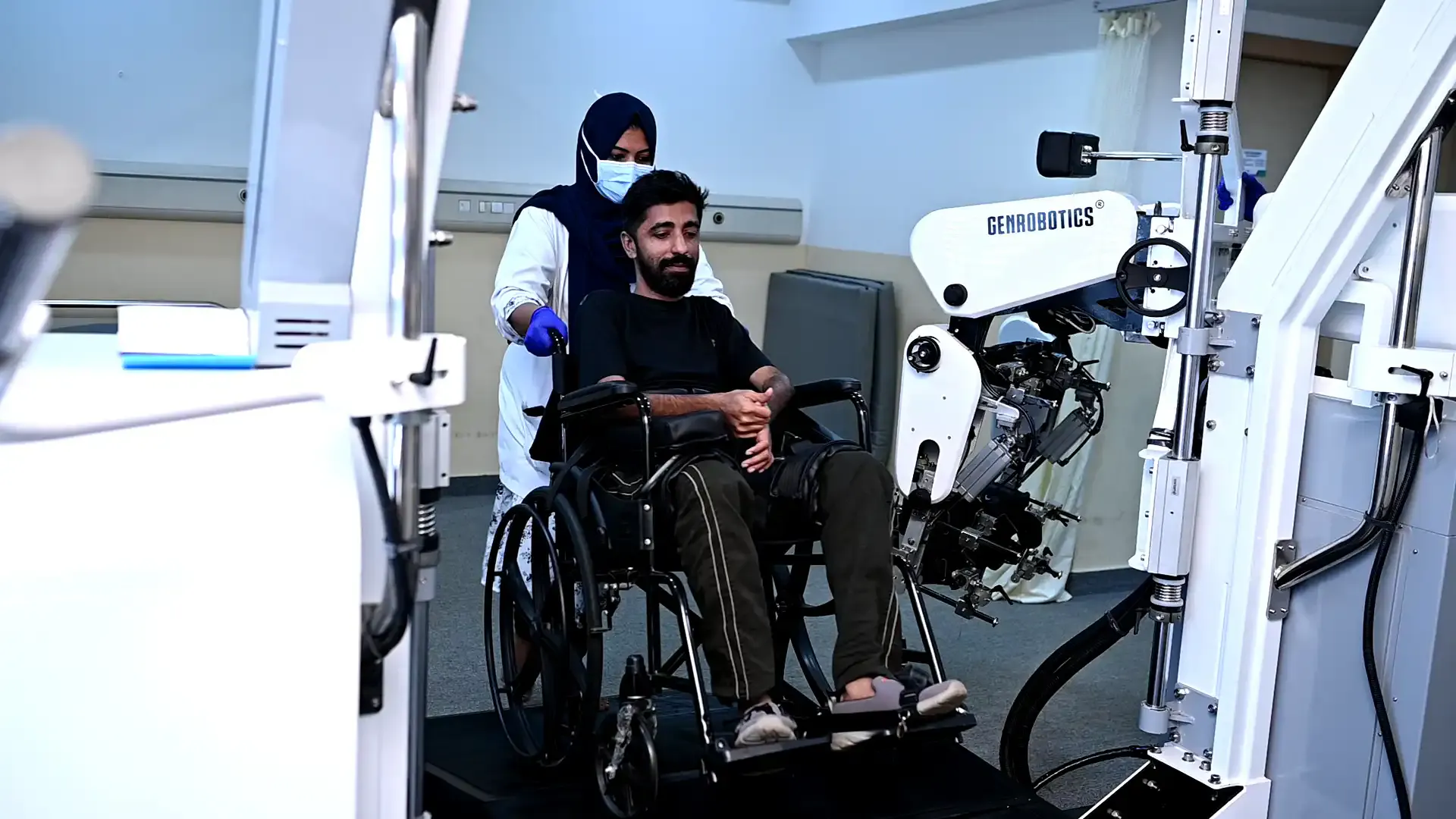
One of the most fascinating stories in medical robotics unfolds not in operating rooms but inside rehabilitation centers.
We often meet patients who are learning to walk again.
A stroke survivor taking their first assisted steps. A spinal injury patient rebuilding muscle strength. An elderly patient regaining balance and confidence.
Rehabilitation requires patience and repetition. During a single session, a therapist may guide a patient through the same movement dozens of times.
This work is essential, but it is also physically demanding.
This is where a new character quietly enters the room.
The rehabilitation robot.
Rather than replacing therapists, this machine works beside them. It supports the patient’s movements, guides therapy exercises, and ensures that each motion follows a consistent pattern.
The therapist leads the treatment.
The robot assists the process.
What Is a Rehabilitation Robot?
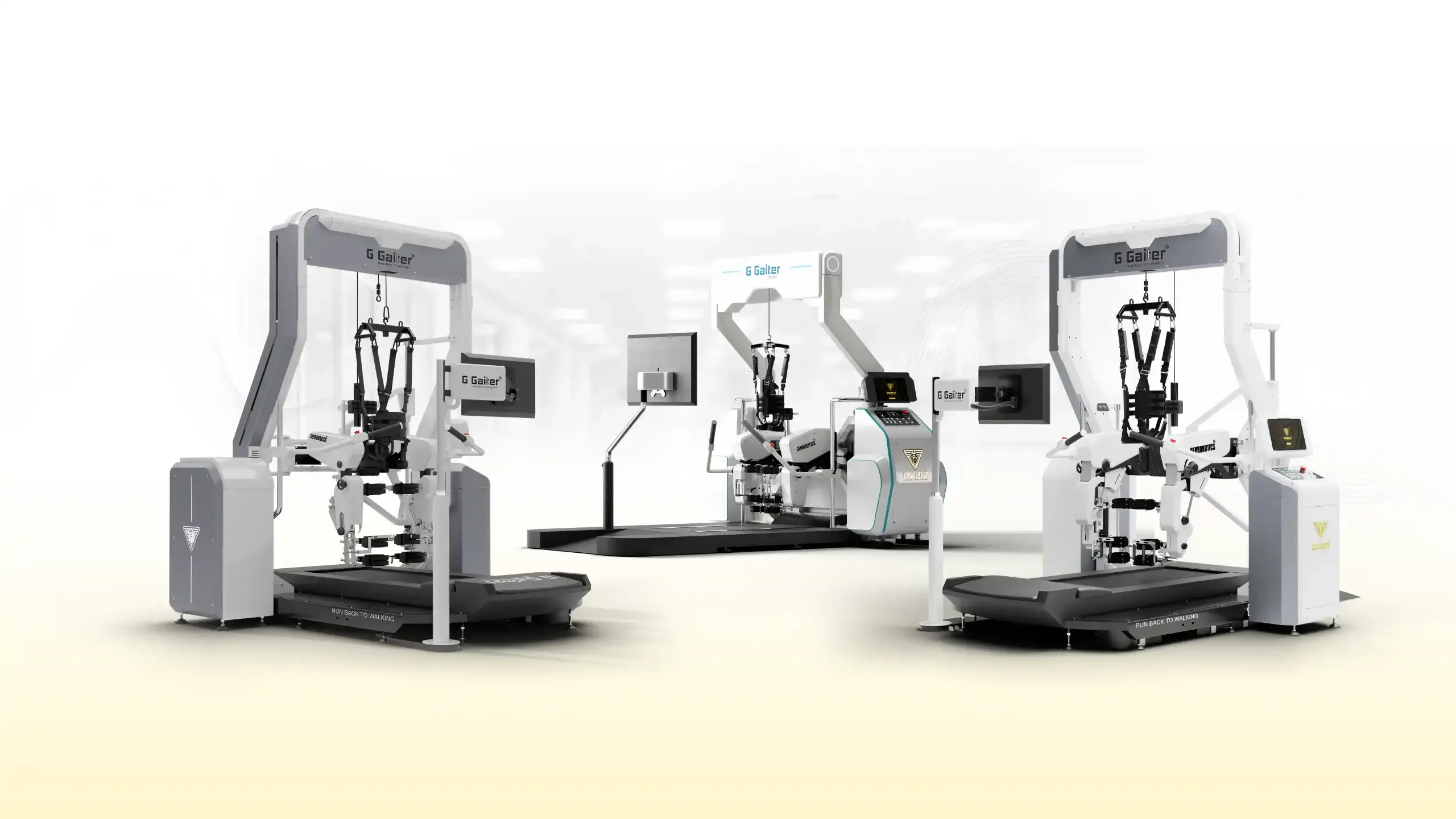
A rehabilitation robot is a robotic system designed to assist patients during physical therapy and mobility recovery.
These machines help patients perform structured exercises that rebuild strength, balance, and coordination.
Rehabilitation robots are commonly used for patients recovering from
- Stroke
- Spinal cord injuries
- Neurological disorders
- Orthopedic surgeries
- Age related mobility limitations
The robot provides mechanical assistance while therapists supervise the therapy session and adjust treatment plans.
This collaboration makes therapy sessions more structured and repeatable.
What Is a Neurorehabilitation Robot for Physical Therapy?
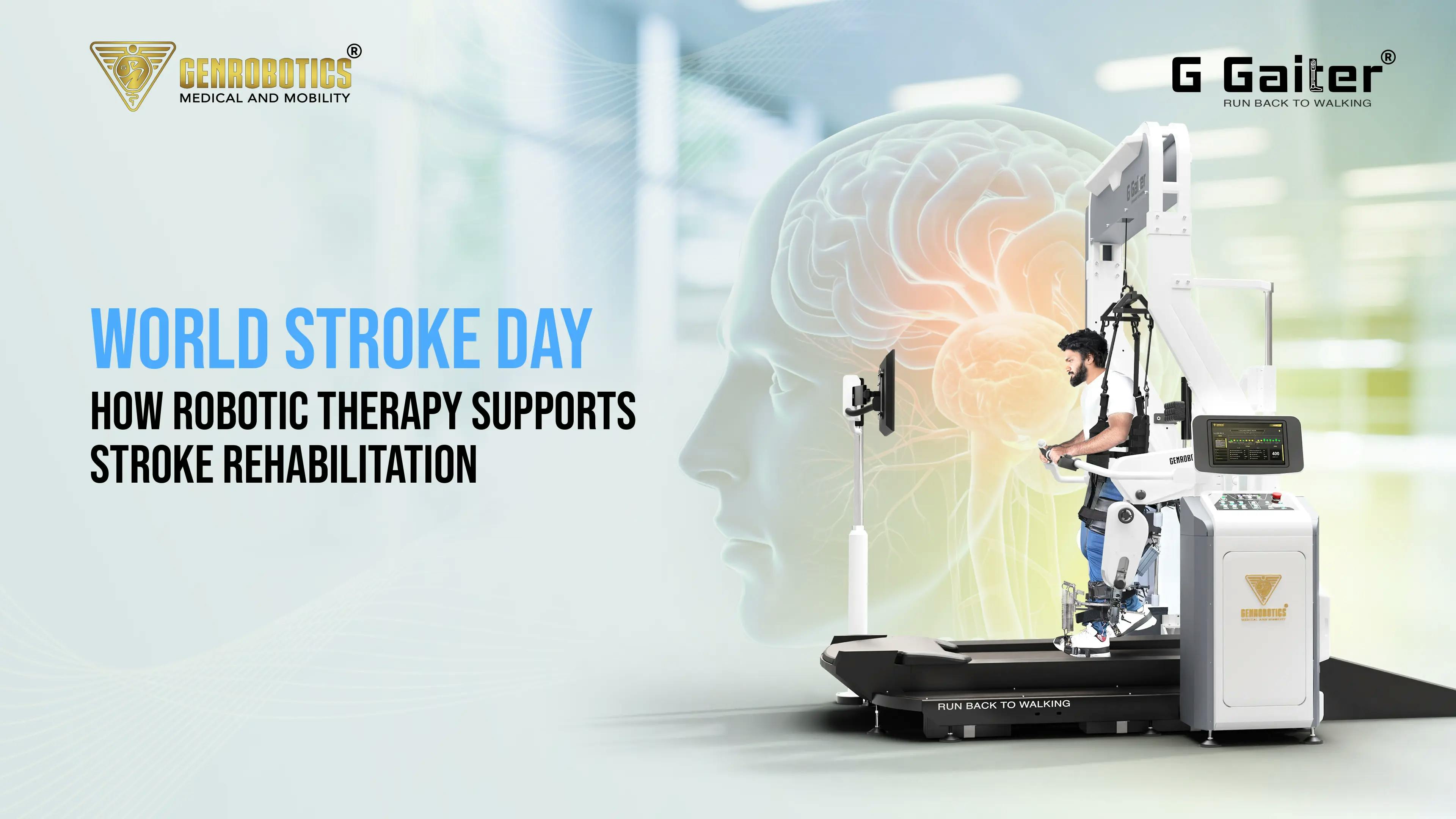
A neurorehabilitation robot for physical therapy is a specialized robotic system designed to support recovery from neurological conditions such as stroke or brain injury.
When the brain experiences trauma, communication between the brain and muscles can become disrupted. Rehabilitation therapy helps rebuild these neural pathways through controlled, repeated movement.
Neurorehabilitation robots assist this process with precise motion control and real time monitoring.
Typical features include
- Motion sensors that track patient movement
- Intelligent systems that adjust therapy intensity
- Feedback mechanisms guiding patient performance
- Data systems that record recovery progress
These technologies allow therapists to measure improvement more accurately and personalize treatment programs.
Why Repetition Matters in Rehabilitation
Rehabilitation therapy is built around a simple principle.
Repetition strengthens neural pathways.
Patients must repeat the same movements many times to help the brain relearn how to control muscles and restore mobility.
However, maintaining consistent movement patterns throughout therapy sessions can be difficult.
A rehabilitation robot helps maintain that consistency by guiding movements with controlled precision.
Advantages of robotic rehabilitation include
- Consistent motion patterns during therapy sessions
- Adjustable support based on patient ability
- Reduced physical strain on therapists
- Accurate tracking of rehabilitation progress
In many ways, the robot acts as a steady rhythm for therapy, ensuring that each movement supports recovery.
How Data Improves Rehabilitation Outcomes
Another important contribution of medical robotics is the ability to collect and analyze patient data.
Traditional therapy relies heavily on observation and clinical experience. While these remain essential, robotics introduces measurable insights into the rehabilitation process.
A neurorehabilitation robot for physical therapy can track several important indicators.
Examples include
- Range of motion improvements
- Walking symmetry and gait balance
- Therapy duration and intensity
- Recovery progress across multiple sessions
This data allows therapists to design personalized therapy programs and monitor improvement more accurately.
In other words, rehabilitation becomes both clinical and data driven.
Human Expertise and Robotic Precision
One common concern about medical robotics is whether machines will replace healthcare professionals.
The reality is very different.
Medical robots are designed to support doctors and therapists, not replace them.
A rehabilitation robot does not diagnose patients or determine treatment plans. Those responsibilities remain entirely in human hands.
Instead, robotics systems assist with repetitive or physically demanding tasks. This allows healthcare professionals to focus more on patient care and clinical decision making.
The result is a partnership between human expertise and robotic precision.
How Medical Robotics Is Expanding Across Healthcare
Rehabilitation robotics is only one part of a much larger transformation.
Medical robotics is expanding into many areas of healthcare.
Examples include
- Robotic surgical systems assisting complex operations
- Rehabilitation robots supporting mobility recovery
- Robotic imaging tools improving diagnostics
- Intelligent monitoring systems tracking patient health
Each of these technologies helps healthcare professionals work more effectively while improving patient safety.
The Future of Medical Robotics
The future of medical robotics is still evolving.
Researchers and engineers are continuously exploring new ways to integrate robotics into healthcare systems.
Future developments may include
- Rehabilitation robots that adapt automatically to patient progress
- Advanced neurorehabilitation robots capable of complex therapy movements
- Artificial intelligence supporting rehabilitation analysis
- Remote robotic therapy systems for home based recovery
These innovations will expand access to therapy while maintaining the central role of healthcare professionals.
Conclusion
Medical robotics is transforming how healthcare professionals deliver treatment and rehabilitation.
By combining human expertise with advanced technology, robotics systems improve precision, consistency, and patient outcomes.
Within rehabilitation centers, technologies such as the rehabilitation robot and the neurorehabilitation robot for physical therapy are already helping patients rebuild mobility and regain independence.
The story of medical robotics is not about replacing human care.
It is about strengthening it.
As robotics continues to evolve, the partnership between clinicians and intelligent machines will shape the next generation of healthcare.
FAQ
What is medical robotics?
Medical robotics refers to robotic systems used in healthcare to assist with surgery, rehabilitation, diagnostics, and patient care. These systems support healthcare professionals by improving precision and efficiency.
What does a rehabilitation robot do?
A rehabilitation robot assists patients during physical therapy by guiding controlled movements that help restore mobility, strength, and coordination after injuries or neurological conditions.
How does a neurorehabilitation robot for physical therapy work?
A neurorehabilitation robot supports recovery from neurological injuries by guiding repeated movements and collecting data on patient performance. This helps therapists monitor progress and personalize treatment plans.
Can medical robotics replace doctors or therapists?
No. Medical robotics is designed to support healthcare professionals, not replace them. Doctors and therapists remain responsible for diagnosis, treatment planning, and patient care.
Why is medical robotics important for rehabilitation?
Medical robotics improves rehabilitation by providing consistent therapy sessions, reducing therapist fatigue, and enabling data driven monitoring of patient recovery.